UX Designer Employment: Opportunities, Roles, and Skills
The world of UX (User Experience) design has become a vital part of the digital landscape. With the rapid growth of technology and the importance of user-centered design in creating websites, apps, and other digital products, UX designers are in high demand. This article will explore the opportunities, roles, and skills involved in UX designer employment, helping both aspiring professionals and employers understand the field in-depth.
What Does a UX Designer Employment Do?
A UX designer focuses on enhancing the overall experience that users have when interacting with a product or service. Their primary goal is to ensure that the product is easy to use, visually appealing, and functional. A UX designer combines research, interaction design, and usability testing to achieve these objectives. The job involves understanding the needs of the user, defining the user journey, and collaborating with developers and product teams to ensure that the final design meets both user and business goals.
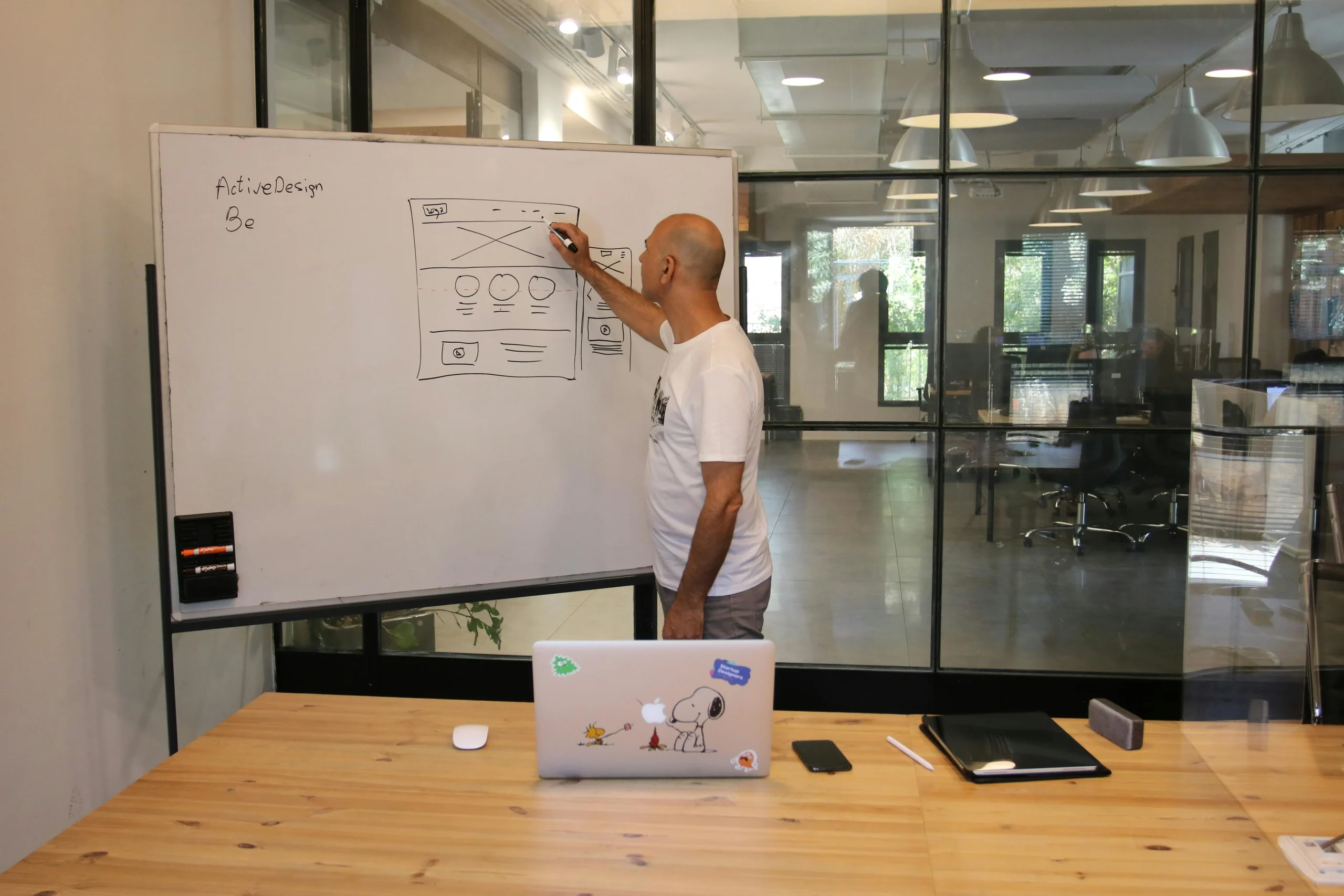
The responsibilities of a UX designer can range from conducting user research, creating wireframes, prototypes, and user flows, to working closely with UI (User Interface) designers, product managers, and developers to refine and implement designs.

Types of UX Designer Jobs
UX design is a broad field, and the roles can vary depending on the type of work and the stage of the product lifecycle. Some of the most common types of UX designer jobs include:
- UX Researcher: Focuses on gathering insights through user testing, surveys, and interviews. This role is crucial for informing design decisions based on real user feedback.
- Interaction Designer: Concentrates on the structure and behavior of interactive elements in a product. They ensure that the user’s interaction with a system is seamless and intuitive.
- UI/UX Designer: Combines the principles of UX design with visual design, working on both the user experience and the user interface aspects of a product.
- Product Designer: In some organizations, product designers handle both UX and UI design, focusing on the entire product experience, from concept to execution.
Key Skills for UX Designers
To excel in the UX design field, certain skills are necessary. These can be broken down into both hard skills and soft skills.
Hard Skills
- User Research: The ability to gather, analyze, and interpret user data is essential. UX designers use this data to understand user behaviors and preferences.
- Wireframing and Prototyping: Knowing how to create wireframes and prototypes is crucial. Tools like Sketch, Figma, and Adobe XD are commonly used for this purpose.
- Interaction Design: Understanding the interaction between the user and the product is vital for creating a smooth, engaging user experience.
- Usability Testing: UX designers need to know how to conduct usability tests to evaluate a product’s effectiveness and identify areas for improvement.
- Visual Design: While a UX designer’s main focus is usability, having a basic understanding of visual design principles such as color theory, typography, and layout can be beneficial.
Soft Skills
- Problem-Solving: UX designers must be able to think critically and creatively to solve user-related problems effectively.
- Communication: Clear communication with stakeholders, developers, and other designers is essential for ensuring the design vision is accurately realized.
- Collaboration: UX design often requires teamwork. Designers work alongside product managers, developers, and other stakeholders to bring a product to life.
- Empathy: A deep understanding of user needs and challenges is crucial for creating meaningful and user-centered designs.

How to Become a UX Designer?
The path to becoming a UX designer involves both formal education and hands-on experience. Many UX designers come from diverse backgrounds, with some holding degrees in design, psychology, or computer science, while others may have transitioned from different fields such as graphic design or web development.
Education and Training
- Bachelor’s Degree: While a formal degree is not always required, having a background in design, human-computer interaction, or psychology can be beneficial.
- UX Design Bootcamps: Many professionals pursue specialized bootcamps that teach the essential skills required for UX design. These are often intensive, short-term programs that focus on practical skills.
- Online Courses and Certifications: Platforms like Coursera, Udemy, and LinkedIn Learning offer courses in UX design, which can help individuals gain the necessary skills and certifications to enter the field.
- Portfolio Development: A strong portfolio showcasing your UX design projects, user research, and problem-solving abilities is crucial. It demonstrates your practical experience and design thinking.
Gaining Experience
- Internships: Many aspiring UX designers begin their careers with internships, which provide hands-on experience working with established teams.
- Freelancing: Starting out as a freelancer is a common way to build a portfolio and gain practical experience working on real-world projects.
- Personal Projects: Working on personal or side projects is another way to gain experience, especially for those just starting out or changing careers.
Job Market and Salary Outlook
The demand for UX designers is growing rapidly as more companies recognize the value of user-centered design. According to various industry reports, UX design jobs are among the top in-demand positions in the tech sector. Companies across industries, from tech giants to startups, are constantly hiring UX professionals.
The salary of a UX designer varies depending on location, level of experience, and the industry they work in. In the UK, the average salary for a UX designer can range from £30,000 to £60,000 per year, with senior roles or positions in London commanding higher salaries.
Conclusion
The field of UX design offers diverse career opportunities for those passionate about creating intuitive and user-friendly digital experiences. With the right skills, education, and experience, aspiring UX designers can embark on a rewarding career that combines creativity, problem-solving, and technology. Whether you are just starting out or looking to advance your career, the demand for UX designers continues to rise, making this a promising field with plenty of room for growth. You can also check this. UX Jobs
FAQs
1. What is the difference between a UX designer and a UI designer?
A UX designer focuses on the overall user experience and functionality of a product, while a UI designer focuses on the visual aspects, such as layout and color scheme.
2. Do I need a degree to become a UX designer?
While a degree can be helpful, it’s not always required. Many UX designers come from different fields and gain the necessary skills through bootcamps, online courses, or self-study.
3. What tools do UX designers use?
Common tools used by UX designers include Figma, Sketch, Adobe XD, and InVision for wireframing, prototyping, and design.
4. Can UX design be done remotely?
Yes, many UX design jobs offer remote work opportunities, especially with the rise of digital collaboration tools.
5. How can I build a strong UX design portfolio?
Include a variety of projects that showcase your problem-solving skills, design process, and the ability to create user-centered solutions. Personal projects, freelance work, and internships are great ways to build a portfolio.
6. What is the career growth like for UX designers?
UX designers can advance to roles such as senior UX designer, UX manager, or even director of design. There are also opportunities to specialize in areas like UX research or interaction design.
7. How do I prepare for a UX designer interview?
Prepare by reviewing your portfolio, understanding the design process, and being ready to discuss how you approach problem-solving and user research. Practice answering questions about design challenges and the tools you use.
8. Are there any certifications that help in UX design?
Yes, certifications from platforms like Nielsen Norman Group, Interaction Design Foundation, and Google UX Design can help boost your credibility and demonstrate your expertise in UX design.