
Exploring UX Designer Jobs: A Comprehensive Guide for 2026
User Experience (UX) design is a rapidly growing field, combining creativity, technology, and problem-solving to create meaningful experiences for users. As businesses continue to prioritize user-centric designs, the demand for skilled UX designer Jobs has surged. If you’re considering a career in UX design, this article will provide a detailed overview of what the role involves, the necessary skills, potential job opportunities, and how you can advance in this career path.
What is a UX Designer?
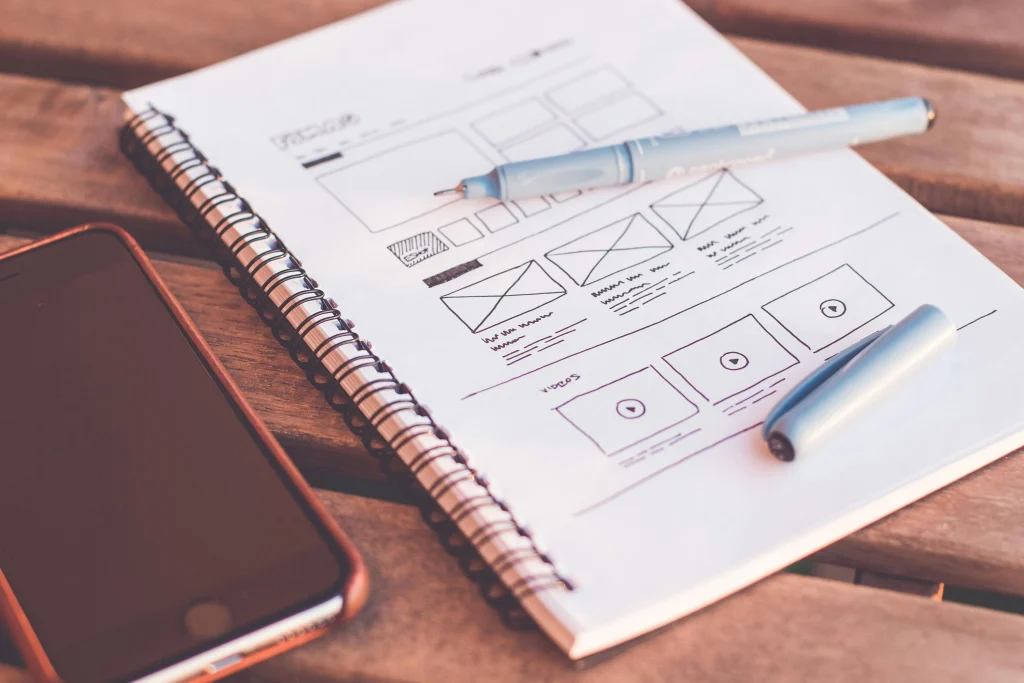
A UX designer focuses on enhancing the overall user experience of a product, be it a website, mobile app, or software. Their primary goal is to ensure that users interact with a product in the most intuitive and seamless way possible. This involves everything from conducting user research to creating wireframes and prototypes. In essence, UX designers are the bridge between the users’ needs and the technical aspects of design and development.
Key Responsibilities of a UX Designer
The role of a UX designer varies across organizations, but certain responsibilities are common. These include user research, creating personas, designing user flows, developing wireframes, and conducting usability testing. UX designers work closely with product managers, developers, and other stakeholders to ensure that the final product meets the expectations of users while also fulfilling business goals. A UX designer’s work helps minimize user friction and optimize the overall user interface, contributing significantly to a product’s success.

Required Skills and Knowledge for a UX Designer Jobs
To excel as a UX designer, certain technical and soft skills are essential. These include a strong understanding of design tools like Adobe XD, Sketch, Figma, and InVision. Additionally, UX designers must possess knowledge of HTML, CSS, and JavaScript, as well as principles of usability and accessibility. Problem-solving, critical thinking, and communication skills are also crucial, as UX designers need to effectively collaborate with teams and communicate design concepts.
Salary Expectations for UX Designers
Salaries for UX designers vary depending on factors such as experience, location, and the type of company. In general, entry-level UX designers can expect to earn between $50,000 to $70,000 annually, while experienced professionals can command salaries ranging from $80,000 to $120,000. For those in senior roles or working in larger companies, salaries can exceed $150,000. In regions like Scotland, which has a growing tech industry, the demand for skilled UX designers also influences salary expectations.
Career Path and Advancement in UX Design
The field of UX design offers numerous opportunities for career advancement. Junior designers typically start with basic tasks such as wireframing or conducting user research and gradually move up to senior roles. As a UX designer gains experience, they may take on more strategic responsibilities such as leading design projects, mentoring junior designers, or working closely with other departments like marketing or product development. Additionally, some UX designers transition into related fields like UX research, product design, or UI design, broadening their career options.
Working Environment for UX Designers
UX designers work in various environments, including tech companies, startups, advertising agencies, and even freelance. Many UX designers also work remotely, particularly in the wake of the COVID-19 pandemic, which has expanded the flexibility of work arrangements in the design industry. Whether working in a traditional office setting or from home, UX designers need a collaborative environment where they can communicate effectively with developers and product managers to ensure that the user experience is fully realized.
Educational Qualifications for UX Designers
While there is no specific degree required to become a UX designer, most professionals in the field have a background in design, psychology, human-computer interaction, or related disciplines. Many universities now offer specialized degrees in UX design or interaction design. Additionally, several online platforms provide certification programs, which can help boost one’s career prospects. A combination of formal education and hands-on experience is often the most effective way to break into the field of UX design.
UX Designer Job Opportunities in 2026
The demand for UX designers is expected to grow in the coming years. Companies across various sectors, including e-commerce, healthcare, finance, and education, are actively seeking skilled UX designers to improve their digital products. With the continuous advancements in AI, virtual reality, and augmented reality, UX design has also expanded into new and exciting areas, offering even more career opportunities for designers who are willing to adapt to emerging technologies.
Conclusion
A career as a UX designer offers a unique opportunity to work at the intersection of creativity and technology, designing products that make a real difference in users’ lives. With the increasing reliance on digital interfaces, the role of a UX designer is more important than ever. Whether you’re just starting out or are looking to advance your career, the UX design field is full of opportunities and promises a rewarding path for those with the right skills and mindset. You can also check this. Lexus UX 250H
Frequently Asked Questions (FAQs)
1. What qualifications do I need to become a UX designer?
While a formal degree in design or related fields is beneficial, it’s not mandatory. Many successful UX designers have a background in fields like psychology or computer science. Online certifications and courses are also great ways to build your expertise.
2. How much do UX designers earn?
Salaries for UX designers vary based on experience and location, but entry-level positions typically pay between $50,000 to $70,000 per year. Experienced professionals can earn between $80,000 and $120,000, with senior roles potentially reaching $150,000 or more.
3. Is UX design a good career choice?
Yes, UX design is considered a highly rewarding and in-demand career. As more companies focus on providing better user experiences, the demand for skilled UX designers continues to rise, offering long-term job security and career growth.
4. What skills are essential for a UX designer?
Key skills include proficiency with design tools like Figma, Adobe XD, and Sketch. Additionally, understanding usability principles, problem-solving, and strong communication skills are vital for success in this role.
5. Can I work remotely as a UX designer?
Yes, many UX designers work remotely. In fact, remote work has become increasingly common in the tech and design industries, offering more flexibility in work-life balance.
6. What are the day-to-day tasks of a UX designer?
UX designers are responsible for conducting user research, creating wireframes and prototypes, collaborating with teams, and testing designs to ensure a seamless user experience.
7. Are there opportunities for career advancement in UX design?
Absolutely. UX designers can advance by taking on senior roles, leading design teams, or transitioning into related fields like product design or UX research.
8. What industries hire UX designers?
UX designers are needed across a wide range of industries, including tech, healthcare, e-commerce, education, and finance. The demand for UX designers spans both traditional businesses and startups.