The Ultimate Guide to Grout Removal Tools: A Complete Overview
Removing grout from tiles can seem like a tedious task, but with the right grout removal tool, the job can be much easier and more efficient. Whether you’re tackling a DIY project or working on a professional renovation, having the proper tool makes all the difference. In this comprehensive guide, we will explore the various grout removal tools available, their features, and tips to help you choose the right one for your needs.
What is a Grout Removal Tool?
A grout removal tool is specifically designed to help you remove old or damaged grout from between tiles. The tool may be manual or electric, and its primary function is to break up the grout without damaging the surrounding tiles. Grout removal is an essential part of many home improvement projects, such as re-grouting a bathroom or kitchen, or repairing damaged tiles.
There are several types of grout removal tools available, each with its own set of benefits. Some are more suitable for small areas, while others are designed for large-scale projects. Understanding the different types of grout removal tools can help you select the best option for your project.

Types of Grout Removal Tools
There are two main types of grout removal tools: manual and electric. Both types come in various shapes and sizes, but they generally serve the same purpose.
Manual Grout Removal Tools
Manual tools include hand-held scrapers, grout rakes, and grout removal blades. These tools are often inexpensive and easy to use for small jobs. Manual tools require more elbow grease and time, but they can be highly effective for smaller areas or delicate tile surfaces.
Electric Grout Removal Tools
Electric grout removers, on the other hand, use power to speed up the removal process. These tools are often equipped with oscillating or rotating blades that make quick work of grout removal. Electric grout removal tools are ideal for larger surfaces or stubborn grout that’s difficult to remove by hand.
How to Choose the Right Grout Removal Tool
Choosing the right grout removal tool depends on several factors, including the size of the job, the type of grout, and your budget. Here’s what to consider:
- Project Size: For small jobs, a manual grout rake or scraper will suffice. For larger projects, an electric grout removal tool will save time and effort.
- Type of Grout: Some grout removal tools work better with certain types of grout. For instance, electric tools are better for hardened grout, while manual tools may work fine for softer grout.
- Tile Sensitivity: If you’re working with delicate tiles, such as ceramic or glass, a manual tool may be gentler and less likely to cause damage.
- Budget: Manual tools are usually more affordable, while electric tools tend to be pricier. Consider your budget and the scale of your project before deciding.
Popular Grout Removal Tools on the Market
When it comes to grout removal, there are a variety of tools on the market, each with specific features. Here are some of the most popular options:
Grout Scrapers: A simple hand tool that allows you to scrape grout from between tiles. It’s ideal for small, delicate jobs.
Grout Rakes: These tools have a toothed blade that is effective for scraping grout from between tiles. They are often used for medium to large projects.
Electric Grout Removers: These power tools use oscillating or rotating blades to remove grout quickly and efficiently. They are best for larger areas or tough, old grout.
Multi-Tools: Multi-tools like oscillating tools often come with grout removal attachments. These tools can be used for a variety of tasks, making them versatile and cost-effective.
How to Use a Manual Grout Removal Tool
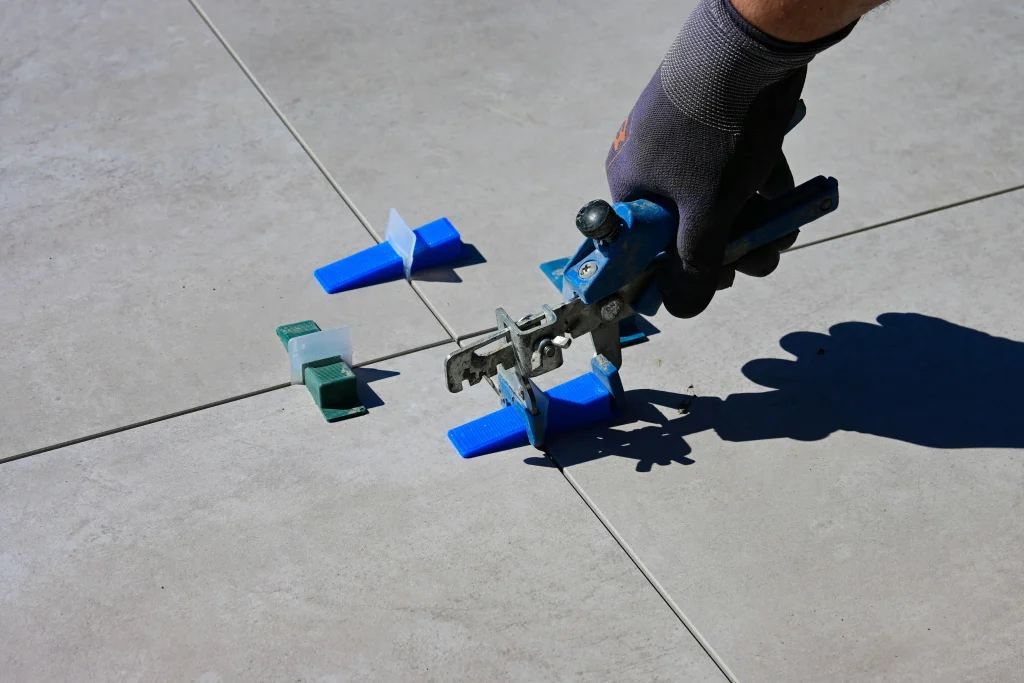
Using a manual grout removal tool is simple but requires patience. First, choose the right tool for your grout type and tile surface. A grout rake or scraper is typically used for this process. Start at the grout line and work your way along, applying steady pressure to remove the grout. Be sure to work slowly to avoid damaging the tiles.
For stubborn grout, you may need to apply some grout remover or a mixture of vinegar and water to soften the grout before scraping it away. Once the grout is removed, use a clean sponge to wipe away any remaining residue.
How to Use an Electric Grout Removal Tool
Electric grout removal tools can be more complicated but are much faster than manual tools. These tools typically feature interchangeable blades or attachments designed to fit various grout lines.
Start by selecting the appropriate attachment for the size of the grout lines. Hold the tool at a slight angle and guide it along the grout line. Electric grout removers work by vibrating or rotating, which breaks up the grout without damaging the surrounding tiles. Always follow the manufacturer’s instructions for the best results and safety precautions.
Grout Removal Tips and Tricks
- Use Protective Gear: Grout removal can be dusty work, especially when using electric tools. Wear safety goggles, gloves, and a dust mask to protect yourself.
- Work in Small Sections: If you’re working on a large project, break the area down into smaller sections to make the job more manageable.
- Soften the Grout: For hardened grout, consider using a grout softener or a mixture of vinegar and water to loosen the grout before scraping.
- Clean the Tiles: After removing the grout, clean the tiles thoroughly to remove any remaining grout dust or residue.
Benefits of Using the Right Grout Removal Tool
Using the right grout removal tool can significantly improve the efficiency and outcome of your project. Here are some key benefits:
- Time-Saving: Electric grout removal tools work quickly, allowing you to finish larger projects in a fraction of the time.
- Precise Removal: The right tool will allow you to remove grout accurately without damaging the surrounding tiles.
- Less Effort: Manual tools can be tiring, especially for large jobs. Electric tools reduce the physical strain required.
- Professional Finish: With the right tools, your grout removal will look professional, giving your space a clean, fresh look.
Conclusion
Grout removal doesn’t have to be a daunting task. Whether you’re tackling a small DIY project or a large renovation, selecting the right grout removal tool is key to achieving the best results. Manual tools are great for small tasks, while electric tools excel at removing stubborn grout quickly. Consider the size of your project, the type of grout, and your budget when choosing a tool. With the right tool in hand, grout removal becomes a straightforward and manageable task.
FAQs
1. What is the best tool for removing grout?
The best grout removal tool depends on the size of the job and the grout type. Manual tools like grout scrapers are great for small areas, while electric grout removers are ideal for larger projects.
2. Can I remove grout with a Dremel tool?
Yes, a Dremel tool can be fitted with a grout removal attachment, making it an effective option for grout removal, especially in tight spaces.
3. How do I remove old grout without damaging my tiles?
Use a grout removal tool carefully, starting with a manual tool if possible. If using an electric tool, choose one with adjustable speed to maintain control and avoid tile damage.
4. How long does it take to remove grout?
The time it takes to remove grout varies based on the size of the area and the type of tool used. Electric grout removers can speed up the process significantly.
5. Can I reuse grout removal tools?
Yes, most grout removal tools can be reused multiple times. Simply replace the blades or attachments when they become worn out.
6. Is vinegar effective in softening grout?
Yes, vinegar can be used to soften grout before removal. Apply it to the grout lines, wait for a few minutes, and then start scraping.
7. Do I need to clean the grout removal tool after use?
Yes, cleaning the grout removal tool after use will ensure its longevity and effectiveness for future projects.