
Communicable Diseases: Types, Symptoms, Prevention, and Treatment
Communicable diseases are infections caused by microorganisms such as bacteria, viruses, fungi, and parasites. These diseases can be transmitted from one person to another, either directly or indirectly, making them a significant concern for public health worldwide. Understanding these diseases, their types, symptoms, prevention methods, and treatments is essential to safeguarding individual and community health.
What Are Communicable Diseases?
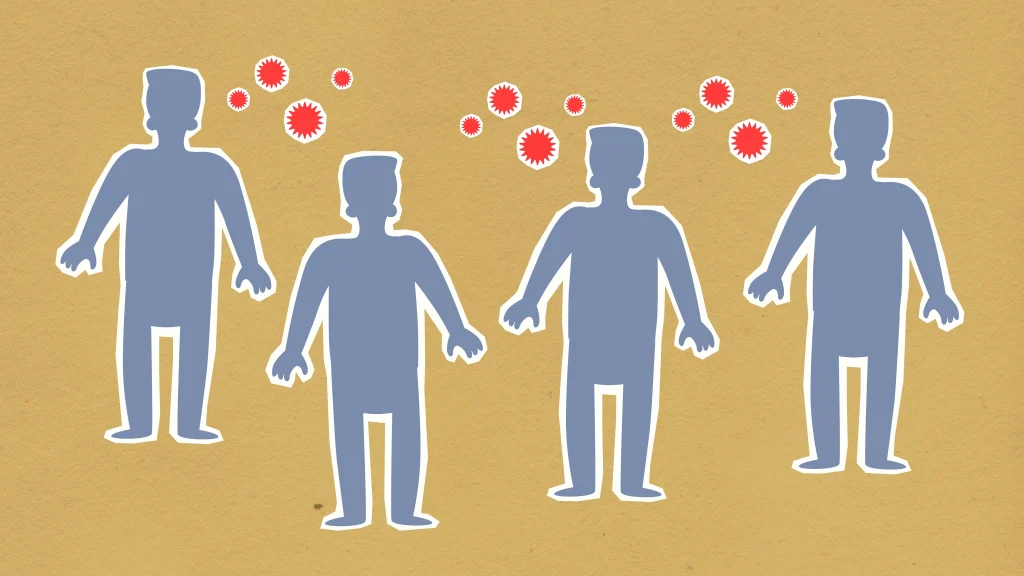
Communicable diseases, also known as infectious diseases, are illnesses that can be passed from one individual to another. They are caused by pathogens, including viruses, bacteria, fungi, and parasites. These diseases can spread through various routes, such as through air, water, food, bodily fluids, or even direct contact with an infected person or animal. Some common examples of communicable diseases include the flu, COVID-19, tuberculosis, and measles.

How Are Communicable Diseases Transmitted?
The transmission of communicable diseases occurs in different ways. The most common methods include:
- Direct Contact: Diseases can spread through physical touch, such as shaking hands with an infected person or touching contaminated surfaces.
- Airborne Transmission: Some diseases, like the flu or COVID-19, can be spread through respiratory droplets when an infected person coughs or sneezes.
- Vector-Borne Transmission: Certain diseases, like malaria and dengue, are transmitted by insects like mosquitoes.
- Food and Waterborne Diseases: Illnesses like cholera and food poisoning spread through contaminated food or water.
- Sexual Transmission: Diseases like HIV/AIDS and syphilis are spread through sexual contact.
Types of Communicable Diseases
Communicable diseases can be categorized into different types based on the pathogens that cause them. These include:
- Viral Diseases: These include common infections like the flu, cold, chickenpox, and more severe diseases such as HIV/AIDS, hepatitis, and COVID-19. Viruses require a living host to multiply and can often mutate, making prevention challenging.
- Bacterial Diseases: Bacteria are single-celled organisms that can cause diseases like tuberculosis, pneumonia, strep throat, and bacterial infections such as urinary tract infections.
- Fungal Infections: Fungal diseases like athlete’s foot, ringworm, and candidiasis are caused by fungi. These infections typically affect the skin, nails, or respiratory system.
- Parasitic Infections: Diseases caused by parasites include malaria, giardiasis, and helminth infections. These diseases often spread through contaminated food, water, or insect bites.
Symptoms of Communicable Diseases
The symptoms of communicable diseases vary depending on the type of infection. Common symptoms include:
- Fever and chills: Often present in infections like the flu, malaria, and COVID-19.
- Coughing and sneezing: Common symptoms of respiratory infections such as the flu, cold, and COVID-19.
- Skin rashes: Seen in diseases like chickenpox, measles, and rubella.
- Fatigue and body aches: Often experienced with viral infections.
- Digestive issues: Nausea, vomiting, and diarrhea are common with foodborne and waterborne diseases.
The severity of these symptoms can vary, with some infections being mild and others leading to life-threatening conditions.
Preventing the Spread of Communicable Diseases
Prevention is the best defense against communicable diseases. Here are effective strategies to reduce the spread:
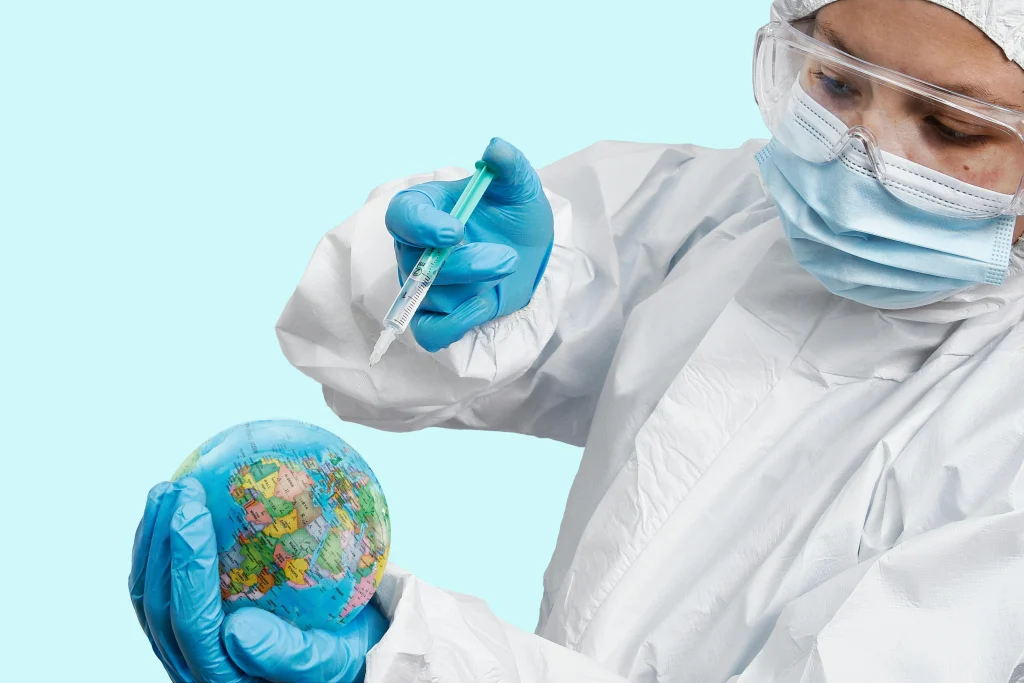
- Vaccination: Immunization is one of the most effective ways to prevent the spread of certain diseases like measles, mumps, rubella, and influenza.
- Hand Hygiene: Regularly washing hands with soap and water, especially before eating or after using the bathroom, can significantly reduce the transmission of infectious agents.
- Proper Sanitation: Ensuring clean drinking water, sanitation, and safe food handling practices helps prevent waterborne and foodborne diseases.
- Use of Personal Protective Equipment (PPE): Wearing masks and gloves can reduce the risk of airborne and direct-contact transmission, especially in healthcare settings.
- Social Distancing and Quarantine: During outbreaks, avoiding close contact with infected individuals and isolating those who are sick can help control the spread.
- Vector Control: Measures like using insect repellent and eliminating standing water can help prevent diseases like malaria and dengue.
Treatment of Communicable Diseases
Treatment options for communicable diseases depend on the causative agent. Some general treatment methods include:
- Antibiotics: For bacterial infections like tuberculosis, pneumonia, and strep throat, antibiotics can be prescribed to kill the bacteria.
- Antivirals: For viral infections like HIV and influenza, antiviral medications can help manage symptoms and reduce viral replication.
- Antifungals: Fungal infections are treated with antifungal medications that target the fungus responsible for the infection.
- Antiparasitics: Malaria and other parasitic diseases are treated with medications that target and kill the parasites.
In many cases, supportive care like hydration, rest, and fever management is necessary to help the body recover from the infection.
The Role of Public Health in Controlling Communicable Diseases
Public health measures play a critical role in controlling the spread of communicable diseases. Governments and healthcare organizations implement vaccination campaigns, awareness programs, and surveillance systems to track outbreaks. In addition, public health authorities often enforce measures like quarantine, travel restrictions, and sanitation protocols to prevent large-scale epidemics.
Conclusion
Communicable diseases continue to be a global health concern, affecting millions of people each year. Understanding the types, symptoms, transmission, and prevention methods is vital in reducing the spread of infections. Vaccines, hygiene practices, and proper medical treatments are the key components in combating these diseases. By staying informed and adopting preventive measures, individuals can protect themselves and help safeguard public health. You can also checkl this. National Communication Authority Jobs.
FAQs About Communicable Diseases
1. What are some examples of communicable diseases?
Common examples include influenza, COVID-19, tuberculosis, HIV/AIDS, and malaria.
2. How can I prevent the spread of communicable diseases?
Practice good hygiene, get vaccinated, avoid close contact with sick individuals, and use protective measures like masks and gloves.
3. Are all communicable diseases contagious?
Yes, communicable diseases can spread from one person to another, but the way they spread varies based on the pathogen.
4. What is the difference between bacterial and viral infections?
Bacterial infections are caused by bacteria and can be treated with antibiotics, while viral infections are caused by viruses and require antiviral treatments.
5. Can vaccines prevent communicable diseases?
Yes, vaccines are highly effective in preventing diseases like measles, mumps, rubella, and influenza.
6. What should I do if I suspect I have a communicable disease?
Seek medical attention immediately, follow your healthcare provider’s advice, and avoid contact with others to prevent spreading the infection.
7. How long does it take for symptoms of communicable diseases to appear?
The incubation period varies by disease, ranging from a few hours (like food poisoning) to several days or weeks (like tuberculosis).
8. What is herd immunity, and how does it help in disease prevention?
Herd immunity occurs when a significant portion of the population becomes immune to a disease, making its spread less likely. Vaccination is a key method of achieving herd immunity.