UX Designer Positions: A Complete Guide to Career Opportunities
The world of UX design is expanding rapidly, offering numerous career opportunities in various sectors. UX designers focus on creating intuitive and user-friendly digital experiences that ensure products are easy to navigate and meet users’ needs. If you are considering a career as a UX Designer Positions, this guide will help you understand the various job positions, qualifications, and skills required to excel in this dynamic field.
What is UX Design?
UX (User Experience) design is the process of designing digital products with a focus on the end-user’s experience. It involves creating interfaces that are not only visually appealing but also functional, efficient, and easy to use. UX designers work across industries to ensure that websites, apps, and other digital products meet user expectations, drive engagement, and achieve business goals.
Types of UX Designer Positions
In the world of UX design, there are various roles, each with different responsibilities and skill requirements. Understanding these positions will help you identify the career path that best fits your interests and expertise.
Senior UX Designer
A Senior UX Designer is an expert in the field with several years of experience. They typically lead design projects, manage teams, and make high-level decisions regarding user experience strategy. These professionals have a deep understanding of user research, usability testing, and design systems.
UX Designer
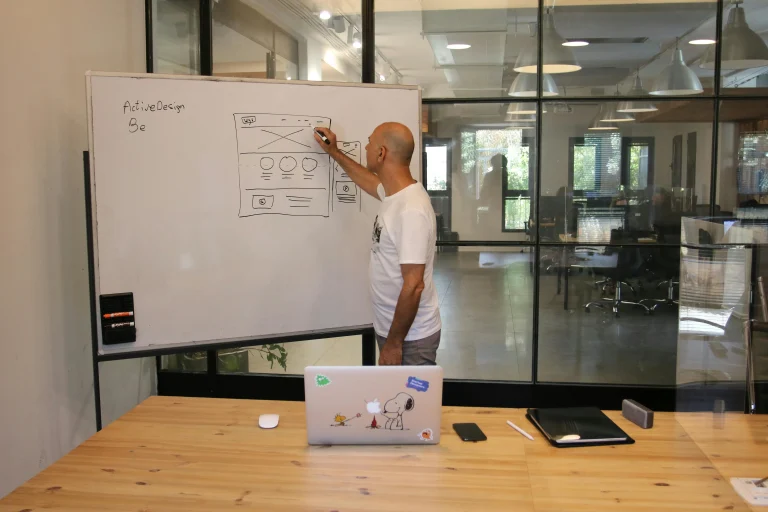
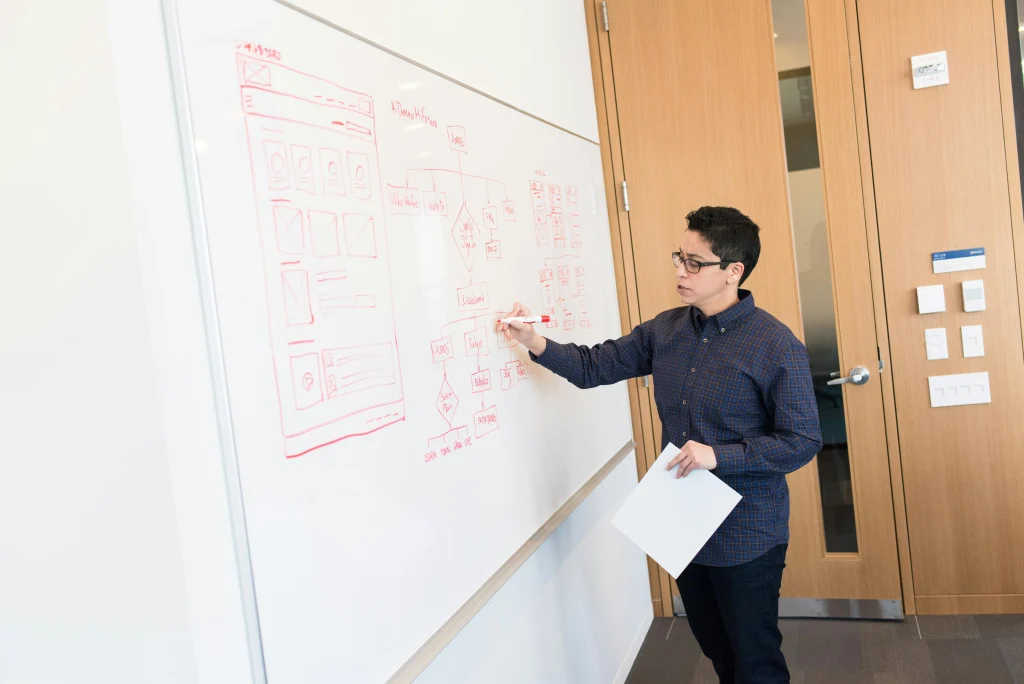
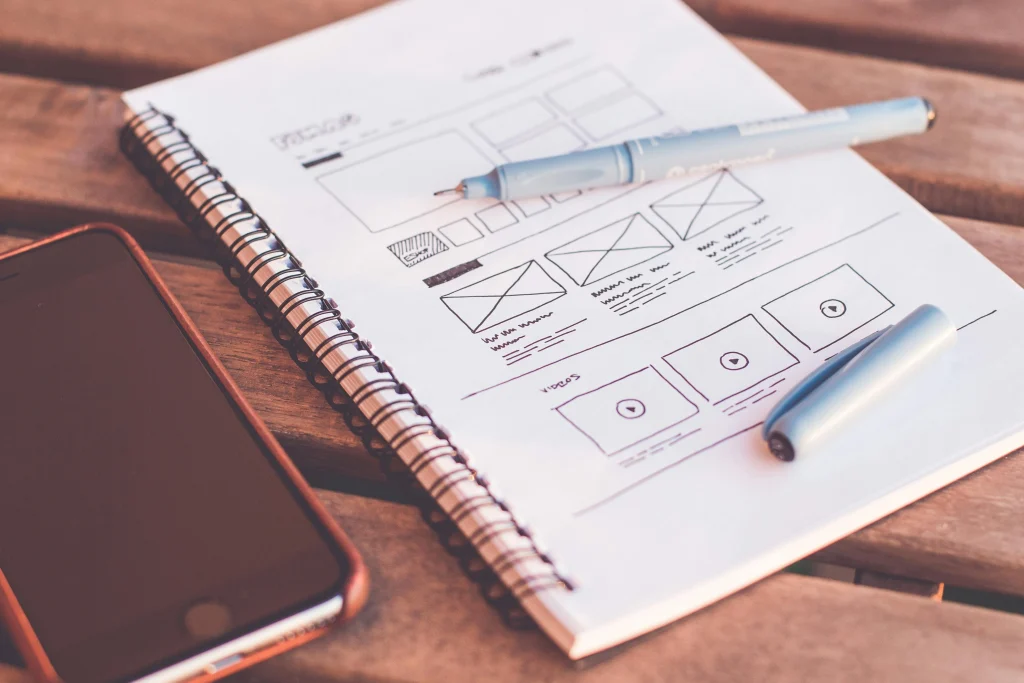
The standard UX Designer role involves working on the design of digital products by conducting user research, creating wireframes, prototypes, and collaborating with other team members to refine user interfaces. They focus on creating seamless and enjoyable user experiences across platforms.
Junior UX Designer
A Junior UX Designer is an entry-level position for individuals starting their career in UX design. These professionals typically assist senior designers in the design process, conduct research, and test designs to ensure they meet user needs. Junior designers often have the opportunity to learn from more experienced team members while honing their skills.
UX/UI Designer
A UX/UI Designer combines the responsibilities of both UX and UI (User Interface) design. In this role, individuals focus on both the user experience and the visual design of products, ensuring that designs are not only functional but also visually appealing. These designers create wireframes, prototypes, and design elements that make interfaces intuitive and engaging.
Product Designer
Product Designers take a more holistic approach to product design. They are involved in the entire product development cycle, from research and ideation to prototyping and final execution. Product designers often work closely with engineering teams to bring user-centered designs to life.
Skills and Qualifications Needed for UX Designer Roles
The role of a UX designer requires a blend of creative, technical, and interpersonal skills. Here’s a breakdown of the key qualifications and skills needed:
Educational Background
While some UX designers come from formal design backgrounds, others may transition from fields like graphic design, psychology, or computer science. Many universities and online platforms offer degrees or certifications in UX design, which can give job seekers a competitive edge.
Technical Skills
UX designers should be proficient in design tools such as Adobe XD, Figma, Sketch, and InVision. They should also have a basic understanding of HTML, CSS, and JavaScript, especially in roles like UX/UI Designer where they may need to work closely with developers.
Soft Skills
Effective communication, problem-solving, and collaboration are essential for UX designers. The ability to empathize with users, conduct research, and present design ideas clearly is crucial. Teamwork is a significant part of the job, as designers must often work with developers, product managers, and other stakeholders.
UX Designer Career Path: From Junior to Senior Roles
A UX designer’s career path typically starts at the junior level, where they gain hands-on experience and develop their portfolio. Over time, they can progress to mid-level roles such as UX/UI Designer or Product Designer. With experience, they may move into senior positions, where they lead design teams and manage larger projects.
Some experienced designers also choose to specialize in specific areas such as user research, information architecture, or interaction design. There are also opportunities to transition into management positions, such as UX Design Manager or Head of UX.
Job Outlook for UX Designers
The demand for UX designers has grown significantly in recent years. With more companies realizing the importance of user-centered design in their digital products, the need for skilled UX designers continues to rise. According to industry reports, the job outlook for UX designers is expected to remain strong, with many industries offering positions across various sectors, including technology, healthcare, finance, and e-commerce.
How to Find UX Designer Jobs
There are several ways to find UX designer job openings:
- Job Boards: Websites like LinkedIn, Glassdoor, and Indeed frequently list UX design positions across the globe. You can filter job postings by location, experience level, and salary expectations.
- Recruitment Agencies: Many recruitment firms specialize in design and tech roles. Working with a recruiter can help you find opportunities that align with your skills and career goals.
- Networking: Joining UX design communities, attending conferences, or participating in online design forums can open doors to job opportunities. Networking is often a key factor in landing a role in the competitive UX design industry.
How to Stand Out as a UX Designer
The UX design field is competitive, but there are several ways to increase your chances of standing out to employers:
- Build a Strong Portfolio: Showcase your best work, including case studies that demonstrate your design process, problem-solving skills, and results.
- Stay Updated: UX design trends evolve quickly, so it’s important to keep up with the latest tools, methodologies, and industry developments.
- Get Certified: Completing UX design courses or earning certifications from platforms like Coursera or Nielsen Norman Group can make your resume more attractive to employers.
- Participate in Design Challenges: Engaging in design challenges or contributing to open-source design projects can help you gain experience and build your reputation within the design community.
Conclusion
A career as a UX designer offers exciting opportunities to work on innovative projects that make a tangible impact on users’ lives. Whether you are just starting out or looking to advance in your career, understanding the different UX designer positions, required skills, and career paths will help guide your journey. With strong demand for UX professionals and a wide variety of roles available, now is a great time to explore a career in UX design. You can also check this. Google Play Store Refund
Frequently Asked Questions (FAQ)
- What is the difference between UX and UI design?
UX design focuses on the overall user experience, ensuring the product is intuitive and meets user needs. UI design focuses on the visual elements, including layout, color scheme, and typography, to create an aesthetically pleasing interface. - Do I need a degree to become a UX designer?
While a degree can be helpful, many UX designers come from various educational backgrounds. Practical experience, a strong portfolio, and relevant certifications can be just as important. - What tools do UX designers use?
Common tools include Figma, Adobe XD, Sketch, InVision, and wireframing tools. Familiarity with design software and prototyping tools is crucial for UX designers. - What is a typical salary for a UX designer?
Salaries vary depending on experience, location, and industry. In the UK, the average salary for a UX designer is around £30,000–£45,000 annually, with senior roles earning upwards of £60,000. - What are the most important skills for a UX designer?
Important skills include empathy, problem-solving, communication, user research, prototyping, and proficiency with design tools. Having a strong understanding of human-centered design principles is also essential.