Plastering Tools: Essential Equipment for Every Plastering Project
Plastering is a skilled trade that requires the use of specific tools to achieve a smooth, even finish. Whether you’re a professional plasterer or a DIY enthusiast, having the right plastering tools is essential for getting the job done effectively and efficiently. In this article, we will explore the various types of plastering tools available, their uses, and how to choose the right tools for your next project.
Understanding Plastering Tools
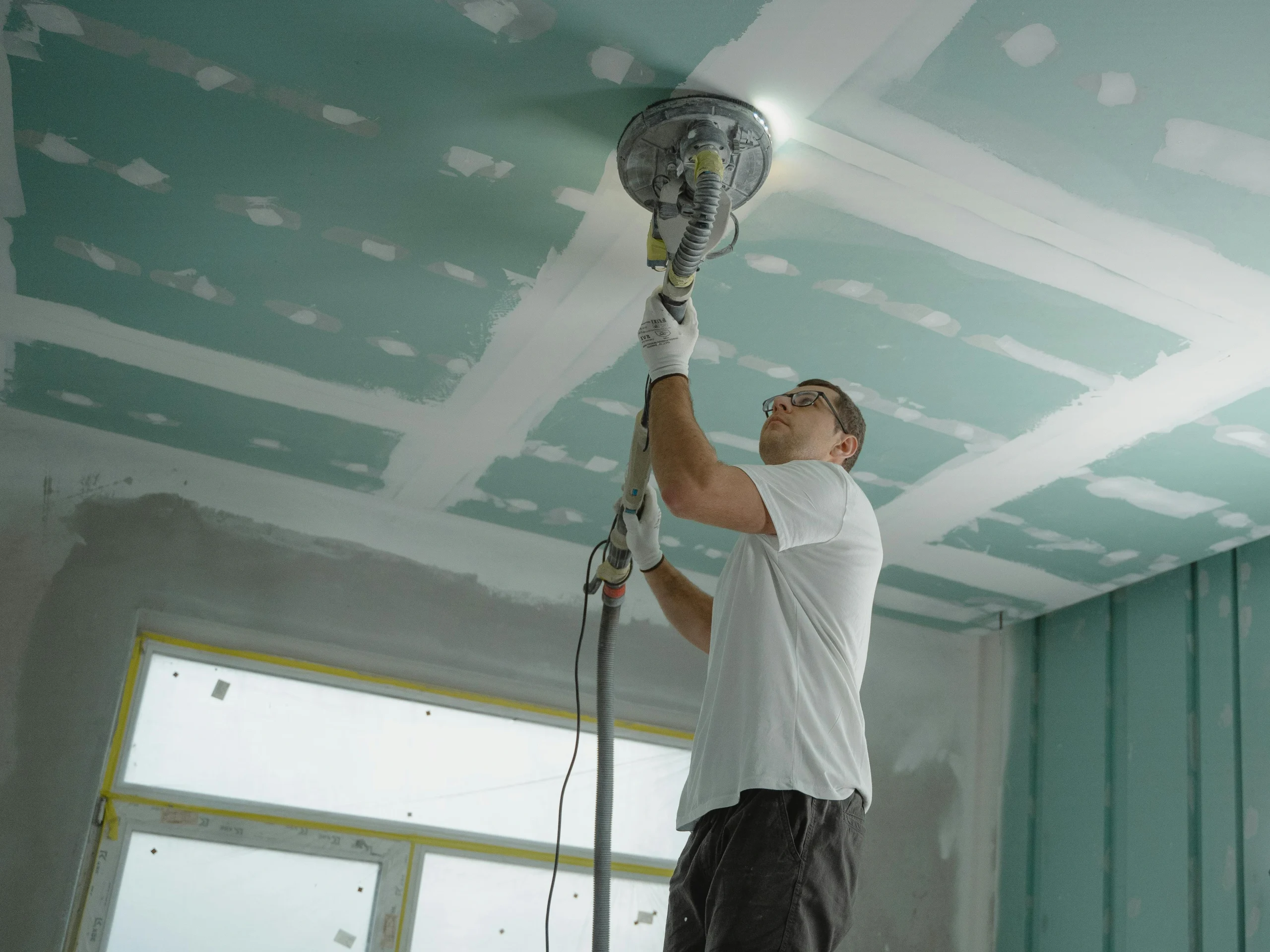
Plastering tools are specialized hand tools designed to help apply, smooth, and shape plaster on walls and ceilings. These tools come in various shapes and sizes, each serving a specific purpose. The primary function of plastering tools is to facilitate the even application of plaster, as well as to finish and smooth the surface once it’s applied. Whether you are skimming a wall, applying a base coat, or finishing a delicate surface, the right tool makes all the difference in achieving a professional result.
Common Types of Plastering Tools
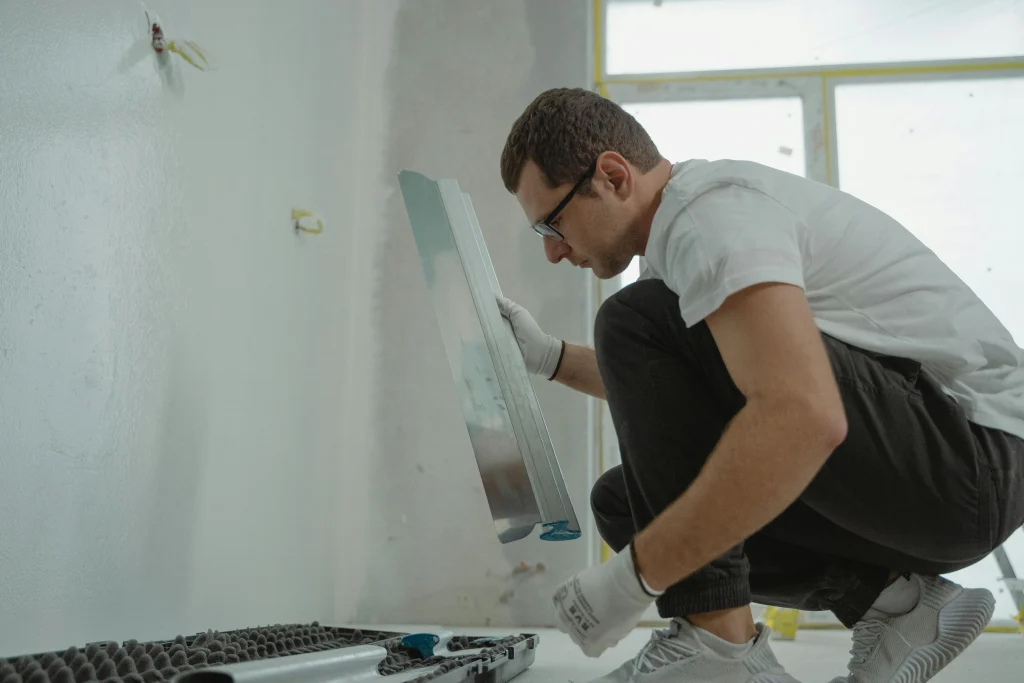
The most common plastering tools include trowels, hawks, floats, and spatulas. Each of these tools plays a key role in the plastering process. A plastering trowel is used for spreading and smoothing the plaster, while a hawk serves as a platform for holding the plaster while it’s applied to the surface. Floats help to smooth the plaster and ensure an even finish, and spatulas are perfect for working in tight corners or delicate areas. Each tool is designed to make plastering easier and more precise, helping to reduce the time and effort required for the job.
Choosing the Right Plastering Trowel
One of the most important tools in any plasterer’s kit is the trowel. Trowels come in a variety of sizes and shapes, with the most common being rectangular, pointed, or rounded. The size and shape of the trowel you choose should depend on the type of plastering work you’re doing. Larger trowels are ideal for covering wide surfaces, while smaller ones work better for detailed work. When selecting a trowel, consider the weight and balance as well. A well-balanced trowel will give you better control and reduce hand fatigue.
The Role of the Plasterers Hawk
A plasterer’s hawk is another essential tool in plastering. The hawk is a flat, square platform that holds the plaster while you’re working. It allows you to easily carry and apply plaster without needing to constantly dip into your bucket or mixing tray. Hawks come in various materials, including aluminum, plastic, and wood. Aluminum hawks are lightweight and durable, making them a popular choice among professionals, while plastic hawks are easy to clean and more affordable for DIYers.
Using Floats for a Smooth Finish
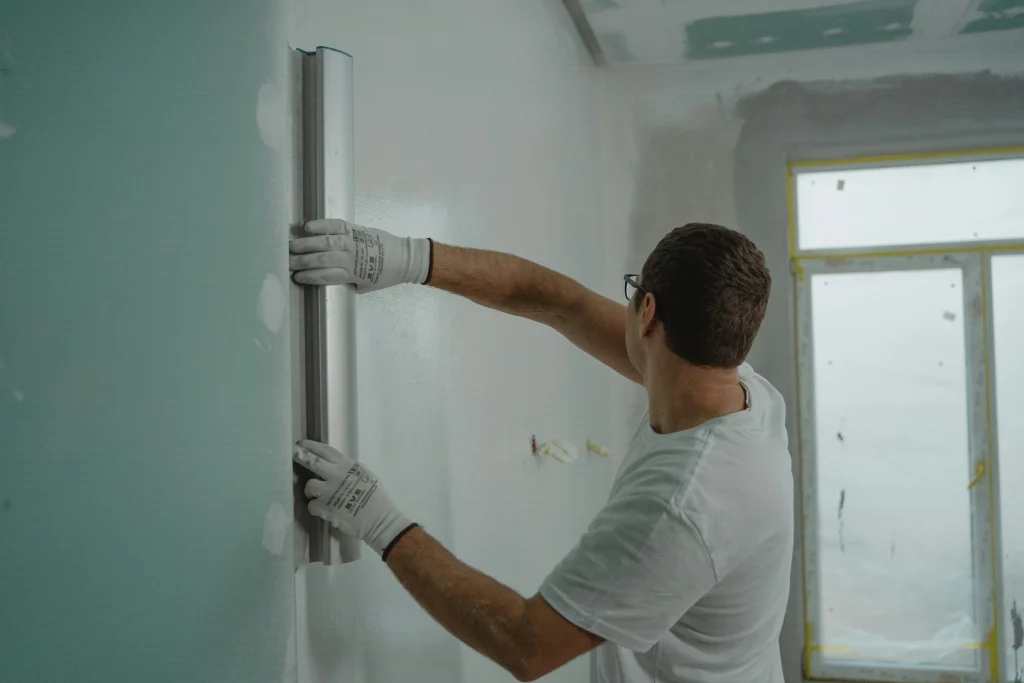
Floats are used to smooth out the plaster after it’s been applied to the wall. They are typically made from foam, rubber, or wood, with different textures to achieve varying finishes. A smooth float is ideal for achieving a glass-like finish on your plaster, while a textured float can help to create a more rustic or uneven effect. The choice of float will depend on the desired finish for your project. Keep in mind that you should use a float in circular motions to avoid leaving lines or marks in the plaster.
Specialized Tools for Corner and Detail Work
In addition to the basic plastering tools, there are specialized tools designed for working in corners or on intricate areas. Corner trowels, for example, are designed to help you apply plaster evenly in tight corners. They come in both internal and external corner versions, and they allow you to achieve a sharp, clean corner with minimal effort. Similarly, margin trowels are perfect for working in narrow spaces or along edges where a larger trowel may be too bulky.
Maintaining and Caring for Your Plastering Tools
Like any professional tool, plastering tools require regular maintenance to ensure they perform well and last a long time. After each use, be sure to clean your tools thoroughly to remove any plaster residue. Use a scraper to remove any dried plaster from the blades or surfaces, and rinse with water to clean the tool completely. For tools with wooden handles, you should also apply a protective oil to prevent the wood from drying out and cracking. Regular maintenance will help keep your plastering tools in top condition and ensure that you can continue to use them effectively.
Safety Tips When Using Plastering Tools
While plastering is a relatively safe activity, it is important to take proper precautions to avoid injury. Always wear gloves to protect your hands from rough surfaces or sharp edges, and use eye protection if you’re working with materials that may cause dust or splinters. It’s also important to wear appropriate footwear and avoid working in wet or slippery conditions. By following basic safety protocols, you can reduce the risk of accidents while using plastering tools.
Conclusion
Plastering tools are essential for anyone looking to achieve a smooth, professional finish when working with plaster. From trowels to floats, each tool serves a specific purpose that helps to ensure the quality and efficiency of the work. By understanding the different types of plastering tools available and selecting the right tools for your project, you can ensure a successful outcome every time. Remember to maintain your tools regularly to keep them in good working order and always prioritize safety when using them. You can also check this. Grout Removal Tool
FAQs
1. What are the most essential plastering tools?
The most essential plastering tools include trowels, hawks, floats, and spatulas. Each tool serves a unique function in the plastering process, from applying to smoothing the plaster.
2. Can I use any trowel for plastering?
While it’s possible to use a general-purpose trowel, plastering-specific trowels are designed to handle plaster more effectively. Look for trowels with a comfortable grip, the right balance, and a blade suited to your project.
3. How do I clean plastering tools?
After use, scrape off any dried plaster and rinse your tools with water. For wooden handles, apply a protective oil to prevent the wood from drying out.
4. Can I use a float for both walls and ceilings?
Yes, floats are versatile and can be used for both walls and ceilings. The key is choosing the right float material and texture to suit the surface you’re working on.
5. How do I maintain a plasterer’s hawk?
To maintain a plasterer’s hawk, regularly clean it after use, removing any plaster residue. For wooden hawks, apply oil to prevent the wood from cracking. Aluminum hawks can be wiped down for easy maintenance.
6. What type of float should I use for a smooth finish?
For a smooth finish, use a soft or foam float. It will help you achieve an even, glass-like surface.